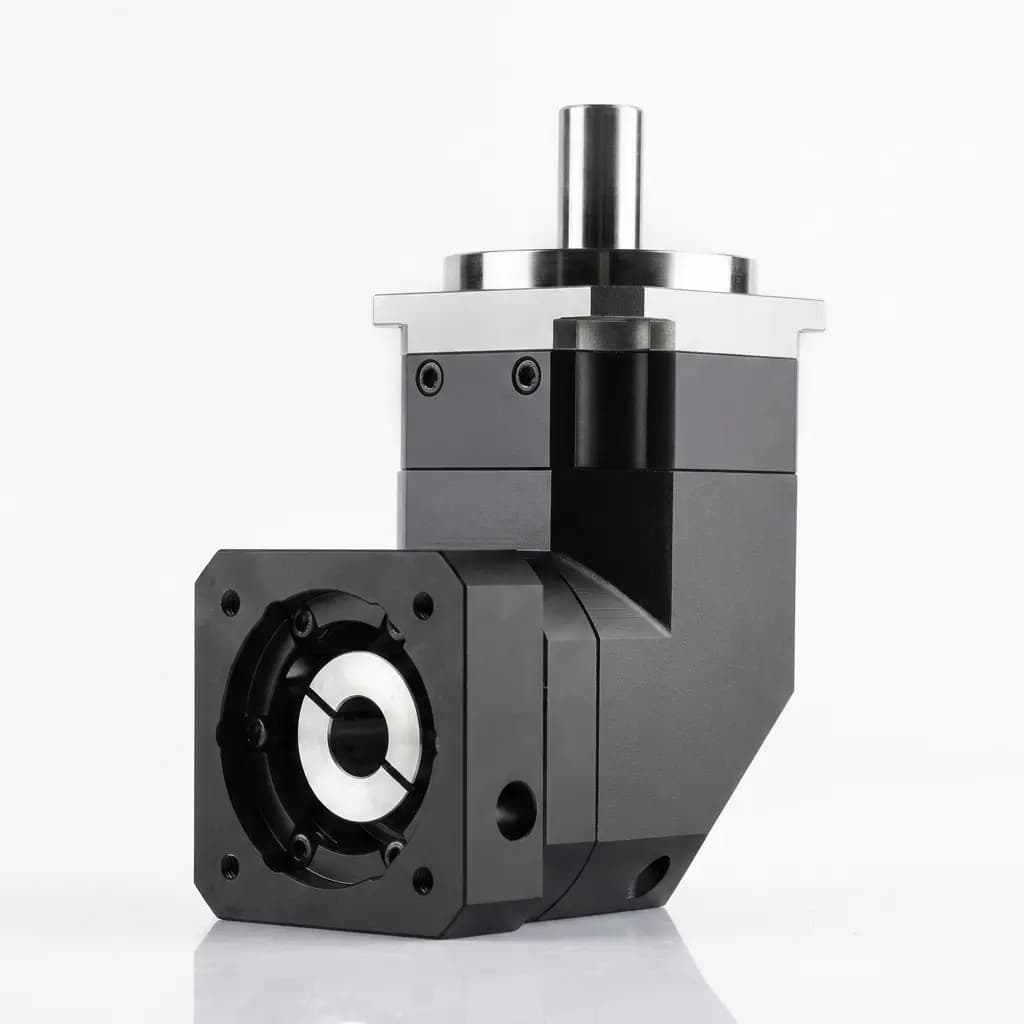
Servo Motor to Gearbox Matching Checklist for OEM Teams
The minimum data package needed to avoid fit and performance mismatch in gearbox selection.
Teams usually blame supplier response speed, but many delays start on the buyer side: interface details are incomplete, so technical screening cannot move forward.
What "matching" should include
Servo-to-gearbox matching is not only about ratio. It should confirm:
- Mechanical compatibility
- Dynamic performance feasibility
- Thermal and lifecycle stability
If one of these is skipped, commissioning risk rises even if the unit price looks attractive.
Inputs you should always include
- Motor brand and exact model
- Target ratio and output speed range
- Rated and peak torque
- Backlash class target
- Installation direction and envelope limits
- Annual volume and delivery timeline
Quick sanity formulas for early screening
Use these early-stage checks before detailed review:
output speed ≈ motor speed / ratiooutput torque ≈ motor torque × ratio × efficiency
These are simplified estimates for screening only. Final validation must consider duty cycle, thermal limits, and service factor.
Inputs that reduce clarification loops
Add these fields to reduce back-and-forth:
- Duty cycle and peak-load duration
- Load inertia estimate and acceleration profile
- Overhung load or radial/axial load notes
- Ambient condition (temperature, washdown, dust)
- Preferred output format (shaft, flange, hollow)
These details help suppliers screen mismatch risk before sample stage.
Interface confirmations to request in writing
Request confirmation for:
- Motor pilot diameter and centering fit
- Bolt pattern and mounting depth
- Input shaft connection type
- Output shaft tolerance and keyway standard
- Allowed installation orientation
Ask for this in writing in the quotation response, not only in drawings sent later.
Clarifications worth forcing early
Ask suppliers to answer clearly:
- What backlash class corresponds to the proposed model and ratio?
- Which efficiency assumption is used in torque guidance?
- Are there derating conditions for continuous high-load operation?
- What interface dimensions are fixed vs customizable?
Written clarifications reduce interpretation gaps between engineering and procurement.
Procurement note
Ask for interface confirmation early: pilot diameter, bolt pattern, shaft keyway, and output flange standard.
Also request separate lead times for sample and mass production. For OEM buyers, this usually matters more than a small unit-price difference.
Minimum pilot evidence package
For sample validation, record:
- Fit confirmation report (input and output interface)
- No-load and loaded temperature trend
- Noise/vibration observations across operating band
- Repeatability behavior in representative cycle
This package turns sample testing into reusable decision evidence.
Author

Categories
More Posts
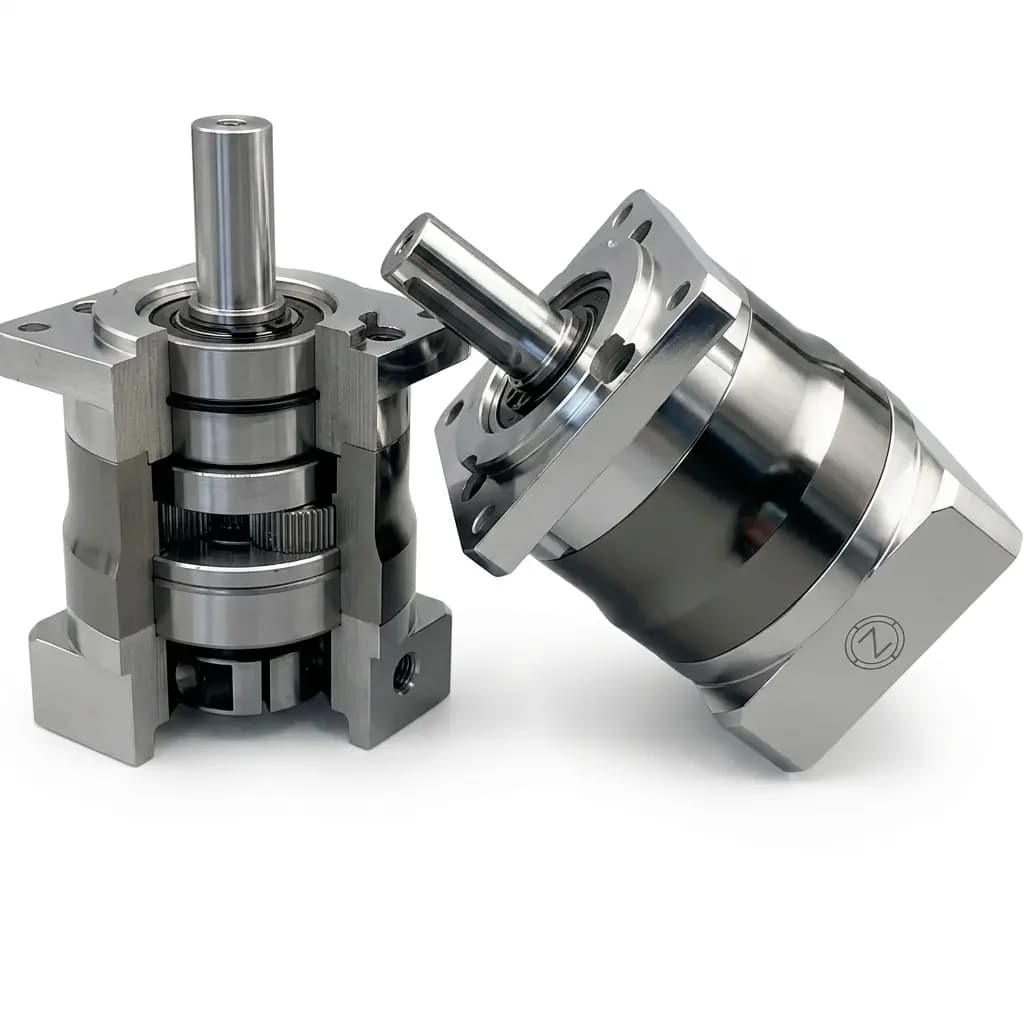
Backlash in Planetary Gearboxes: What 1 Arcmin Really Means
A practical explanation of backlash classes and where they matter in automation equipment.
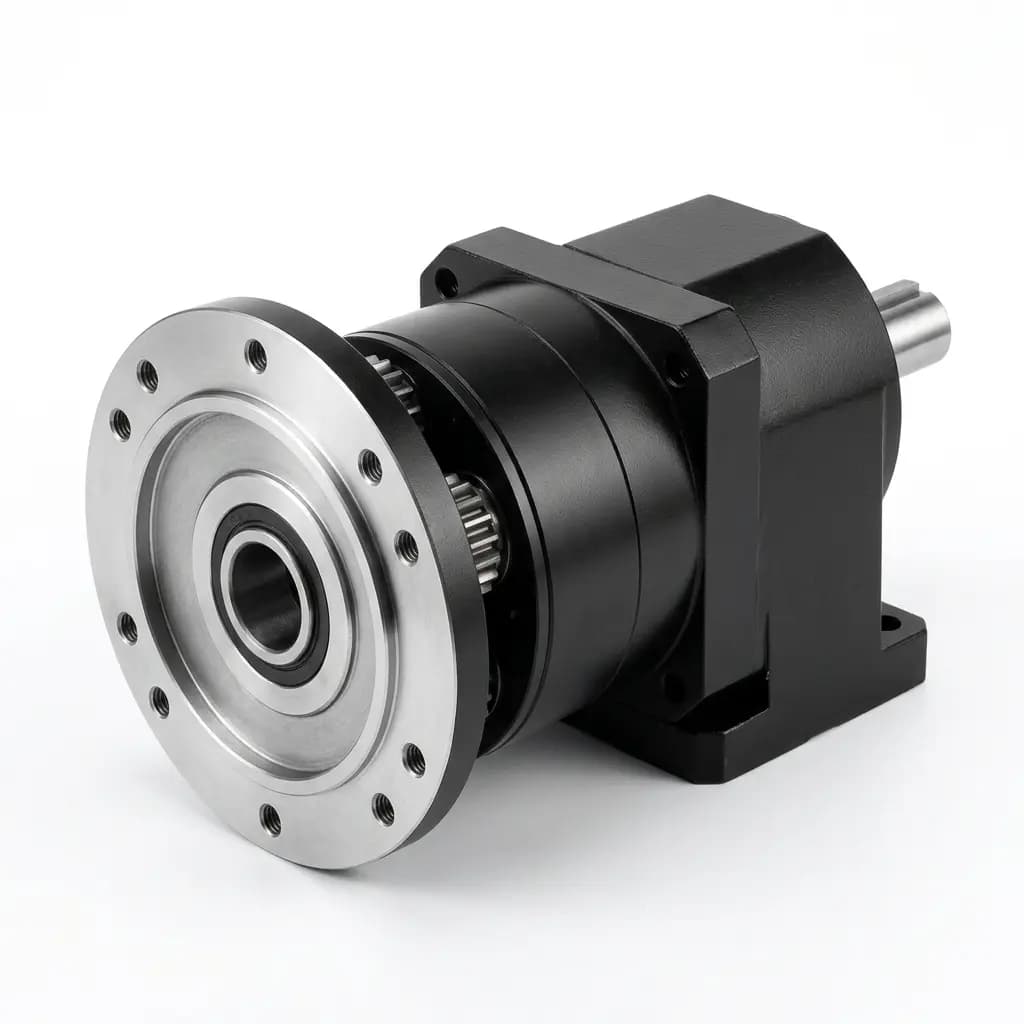
Drop-in Replacement Workflow for Imported Planetary Gearboxes
A step-by-step method to evaluate replacement feasibility versus incumbent international brands.
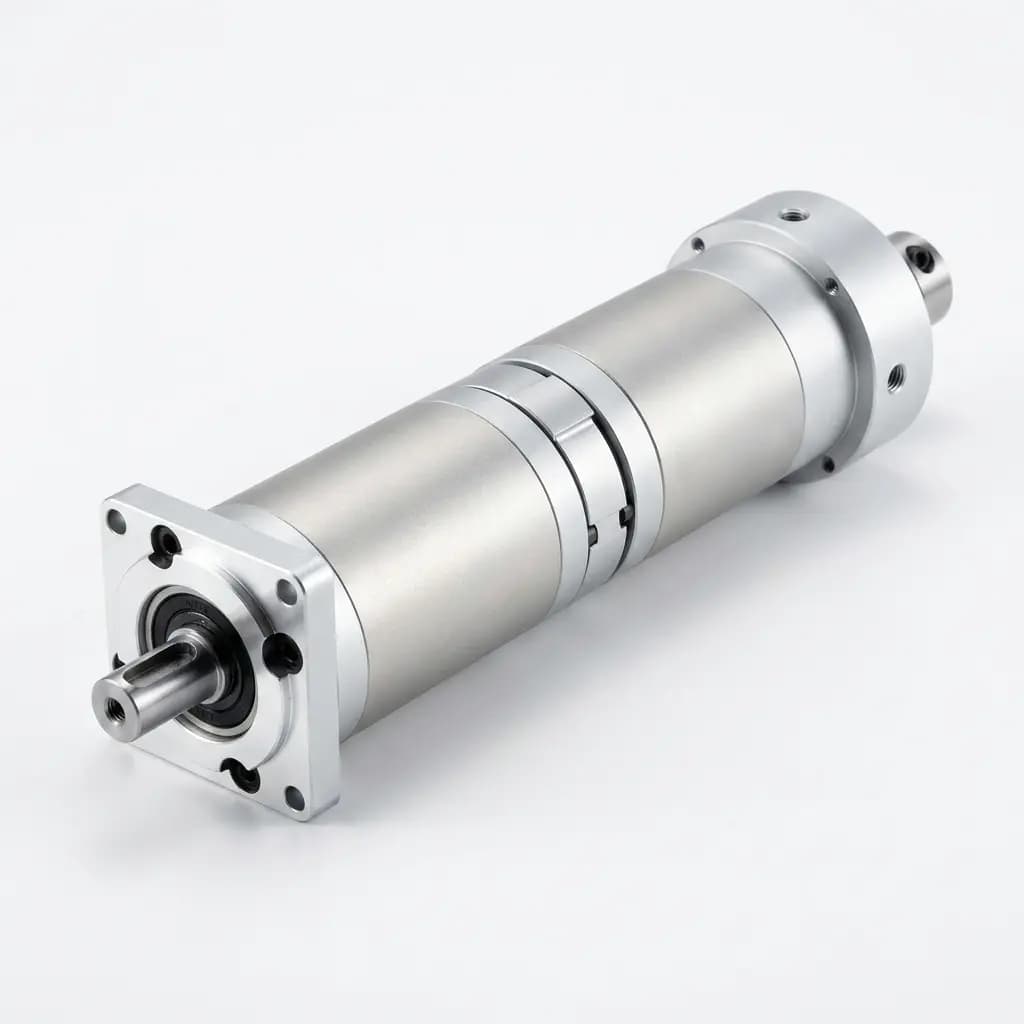
Total Cost of Ownership in Planetary Gearbox Sourcing for OEM Programs
A procurement framework to evaluate gearbox suppliers on lifecycle risk, not only initial unit price.