Total Cost of Ownership in Planetary Gearbox Sourcing for OEM Programs
A procurement framework to evaluate gearbox suppliers on lifecycle risk, not only initial unit price.
The lowest quote line is not the lowest program cost. In OEM projects, lifecycle risk usually appears later as rework, downtime, or unstable replenishment. TCO evaluation makes those hidden costs visible early.
Core TCO buckets for gearbox sourcing
Evaluate suppliers across five buckets:
- Unit price and tooling/setup costs
- Engineering integration effort
- Quality variation and rework impact
- Lead-time stability and buffer inventory pressure
- Field reliability and support responsiveness
This structure helps align procurement, engineering, and operations in one discussion.
Example weighted model
A simple weighted model can make supplier decisions auditable:
| Dimension | Weight (%) | Score range |
|---|---|---|
| Unit economics | 25 | 1-5 |
| Engineering fit quality | 25 | 1-5 |
| Quality consistency | 20 | 1-5 |
| Lead-time stability | 15 | 1-5 |
| Service and response quality | 15 | 1-5 |
weighted score = Σ(weight × score)
The exact weights can change by project stage, but using no weights usually over-favors lowest initial price.
Cost drivers often underestimated
The largest unplanned costs often come from:
- Late discovery of interface mismatch
- Backlash drift affecting calibration effort
- Batch-to-batch variation requiring sorting
- Delayed replacements causing line stoppage
These costs rarely appear in first-round quotations.
Supplier comparison criteria
For each candidate, score 1-5 on:
- Parameter completeness in technical response
- Drawing review turnaround time
- Consistency of sample and pilot performance
- Change-control discipline for repeat orders
- Ability to support custom variants without schedule slip
Use weighted scoring instead of pure price ranking.
Adjust weights by project stage
You can tune weights by lifecycle phase:
- Prototype phase: prioritize engineering fit and response speed
- Pilot phase: prioritize consistency and lead-time predictability
- Mass production phase: prioritize stability, traceability, and lifecycle support
This avoids using one static sourcing logic across very different risk stages.
Contract controls that reduce lifecycle risk
Reduce lifecycle risk with simple controls:
- Freeze critical dimensions in signed drawings
- Define backlash/torque acceptance criteria
- Require batch traceability for recurring orders
- Separate sample lead time from production lead time in PO terms
These controls protect both sides and reduce dispute probability.
Signals of lower-risk suppliers
Suppliers with better lifecycle outcomes usually show:
- Clear assumptions in technical recommendations
- Fast clarification loops with engineering details
- Consistent sample-to-batch behavior
- Explicit change-control communication
These signals often matter more than a marginal unit-price discount.
Practical sourcing rule
TCO sourcing is not about buying expensive models. It is about buying predictable performance and predictable supply under your real operating conditions.
Author

Categories
More Posts
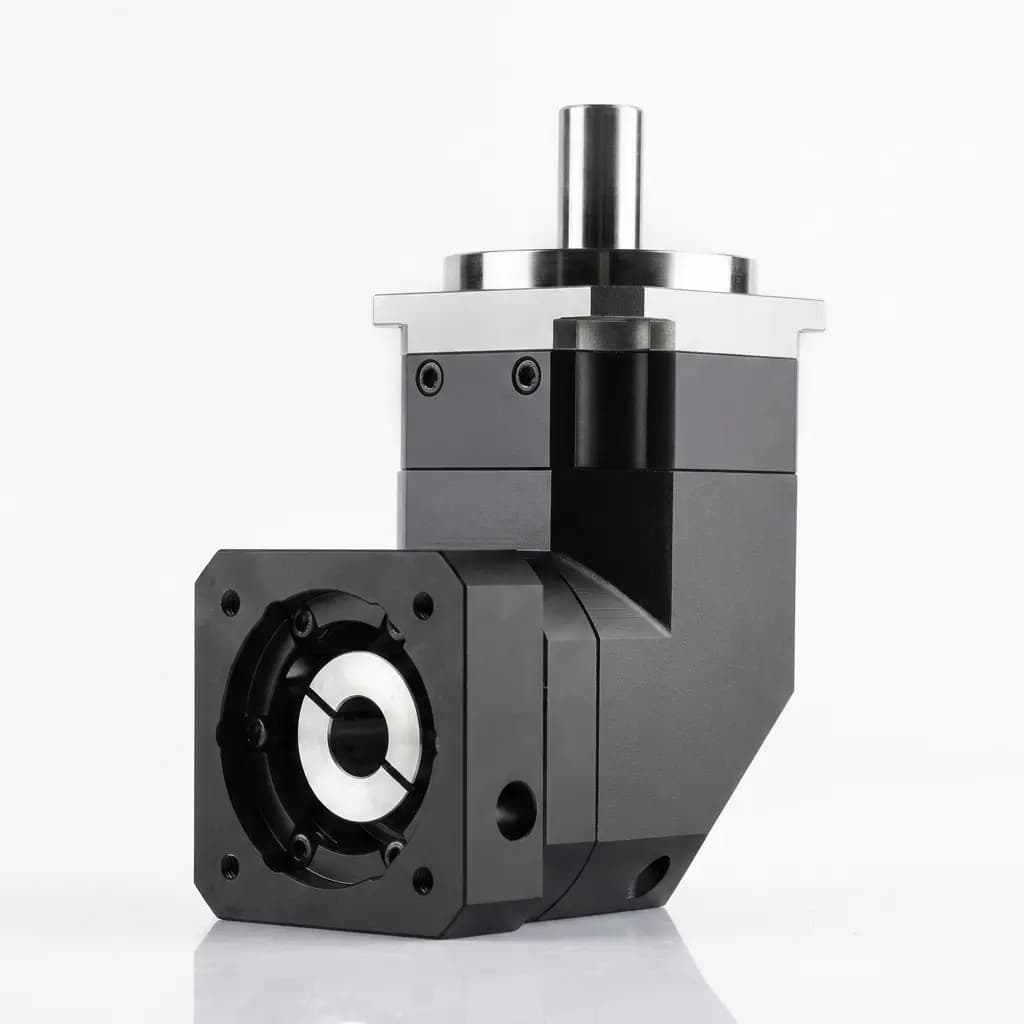
Right-angle vs Inline Planetary Gearbox: A Selection Guide for Machine Designers
How to choose between right-angle and inline architectures based on layout, stiffness, service access, and risk.
Servo Motor to Gearbox Matching Checklist for OEM Teams
The minimum data package needed to avoid fit and performance mismatch in gearbox selection.
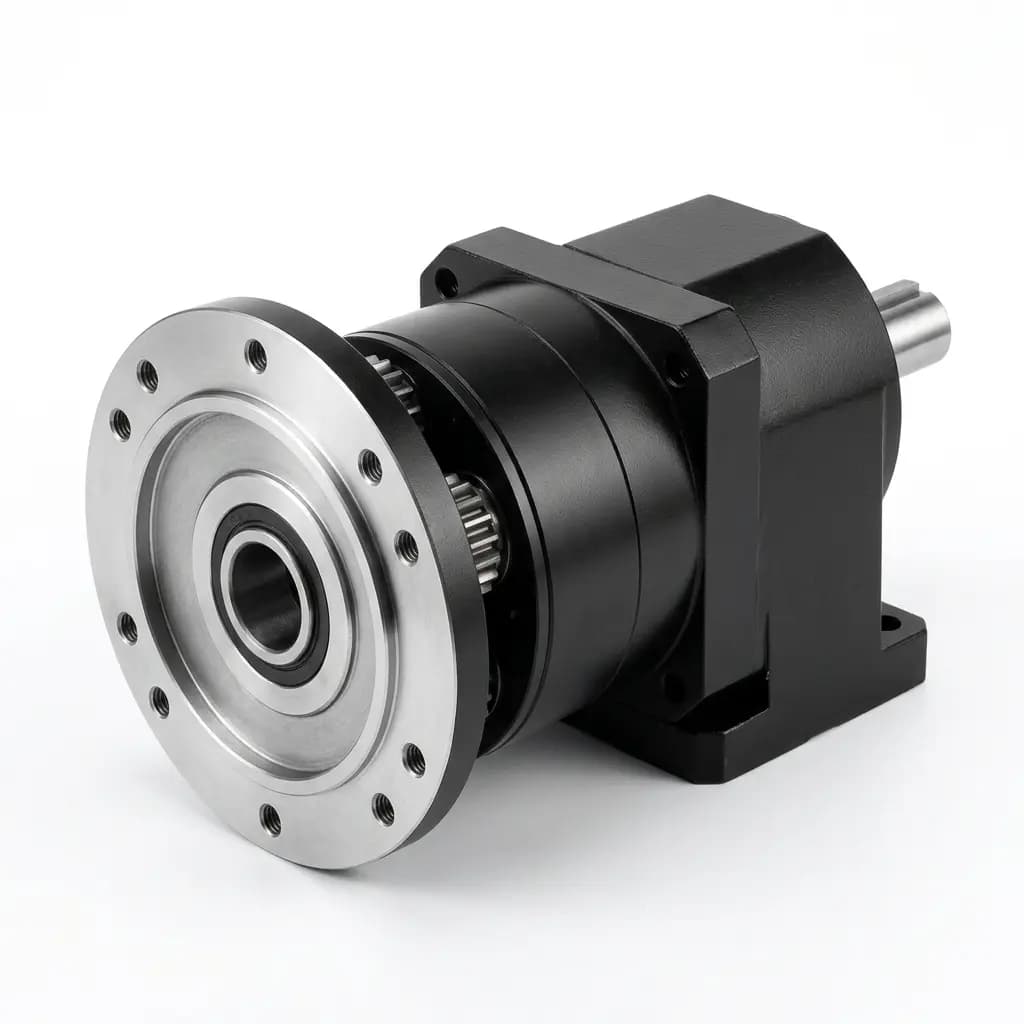
Drop-in Replacement Workflow for Imported Planetary Gearboxes
A step-by-step method to evaluate replacement feasibility versus incumbent international brands.