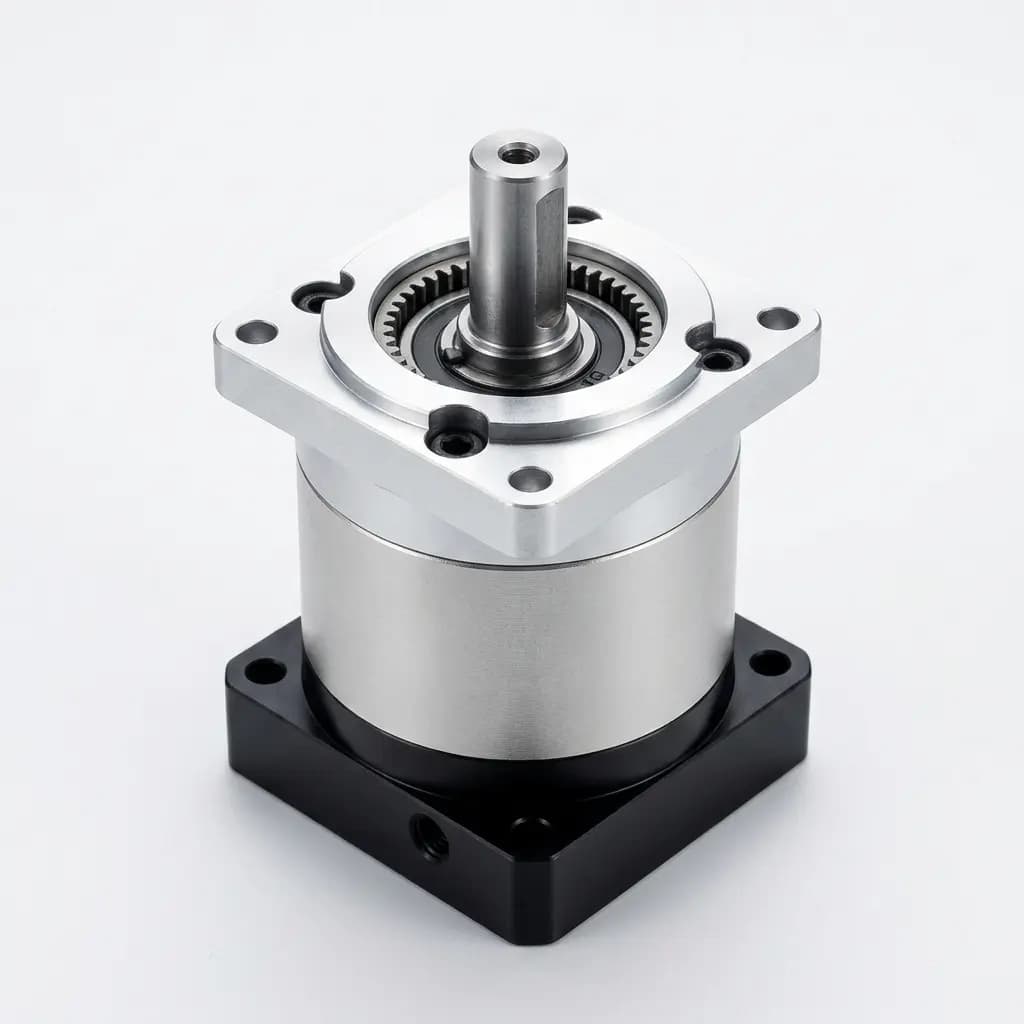
How to Write an RFQ for Low Backlash Gearboxes (So You Get a Usable Quote)
A practical RFQ structure for OEM buyers that reduces back-and-forth and improves quote accuracy.
Many RFQs look complete but still trigger three rounds of clarification. The usual reason is simple: the email contains target model names, but not enough operating context to support technical judgement.
Baseline RFQ package
Include these fields in the first email:
- Application and axis function (indexing, continuous drive, positioning, lift, etc.)
- Target ratio and allowable alternatives
- Rated torque, peak torque, and duty cycle
- Backlash target and positioning expectation
- Motor brand/model and interface constraints
- Installation envelope (length, diameter, right-angle need, mounting side)
- Environmental limits (temperature, washdown, dust, vibration)
- Quantity plan (sample, pilot batch, annual forecast)
Pre-send quality check
Use this internal check with your team:
| Section | Pass rule |
|---|---|
| Application context | Axis function + load profile included |
| Mechanical interface | Motor model + installation limits included |
| Performance targets | Ratio + torque + backlash included |
| Lifecycle constraints | Environment + expected service cycle included |
| Commercial context | Quantity and schedule included |
If fewer than 4 sections pass, expect multiple quote clarification rounds.
Data that prevents late redesign
In replacement projects, add:
- Existing model code and brand
- Existing drawing or key dimensions
- Known failure points (heat, noise, backlash drift, seal wear)
In new designs, add:
- Candidate motor inertia and speed range
- Load inertia estimate
- Acceleration/deceleration profile
This allows suppliers to flag mismatch risks before procurement commits.
How to judge supplier replies
A quote is decision-ready only if it includes:
- Model code plus equivalent alternatives
- Backlash class and test condition
- Nominal/peak torque by ratio or stage
- Interface details (flange, shaft, bolt pattern)
- Lead time split (sample vs batch)
If these are missing, you are comparing prices, not solutions.
RFQ email template you can reuse
Use this structure to reduce ambiguity:
Subject: RFQ - Low Backlash Planetary Gearbox for [Application]

Hello team,

We are evaluating gearbox options for [machine/axis].

1) Application context
- Axis function:
- Duty cycle:
- Ambient condition:

2) Performance target
- Ratio target (alternatives allowed):
- Rated/peak torque:
- Backlash target:

3) Interface constraints
- Motor brand/model:
- Mounting envelope:
- Output format requirement:

4) Commercial scope
- Sample quantity:
- Pilot quantity:
- Annual forecast:
- Target timeline:

Please provide model recommendation, key parameters, and sample/batch lead time separately.
Attachments that improve first-round accuracy
Attach at least one of these when possible:
- Existing reducer drawing or key dimensions
- Motor drawing or datasheet
- Axis layout screenshot with space constraints
Even partial files can significantly improve first-round quote quality.
Working rule
Treat RFQ writing as an engineering handoff with commercial context attached. When the input is concrete, quote comparison becomes much faster and much fairer.
More Posts
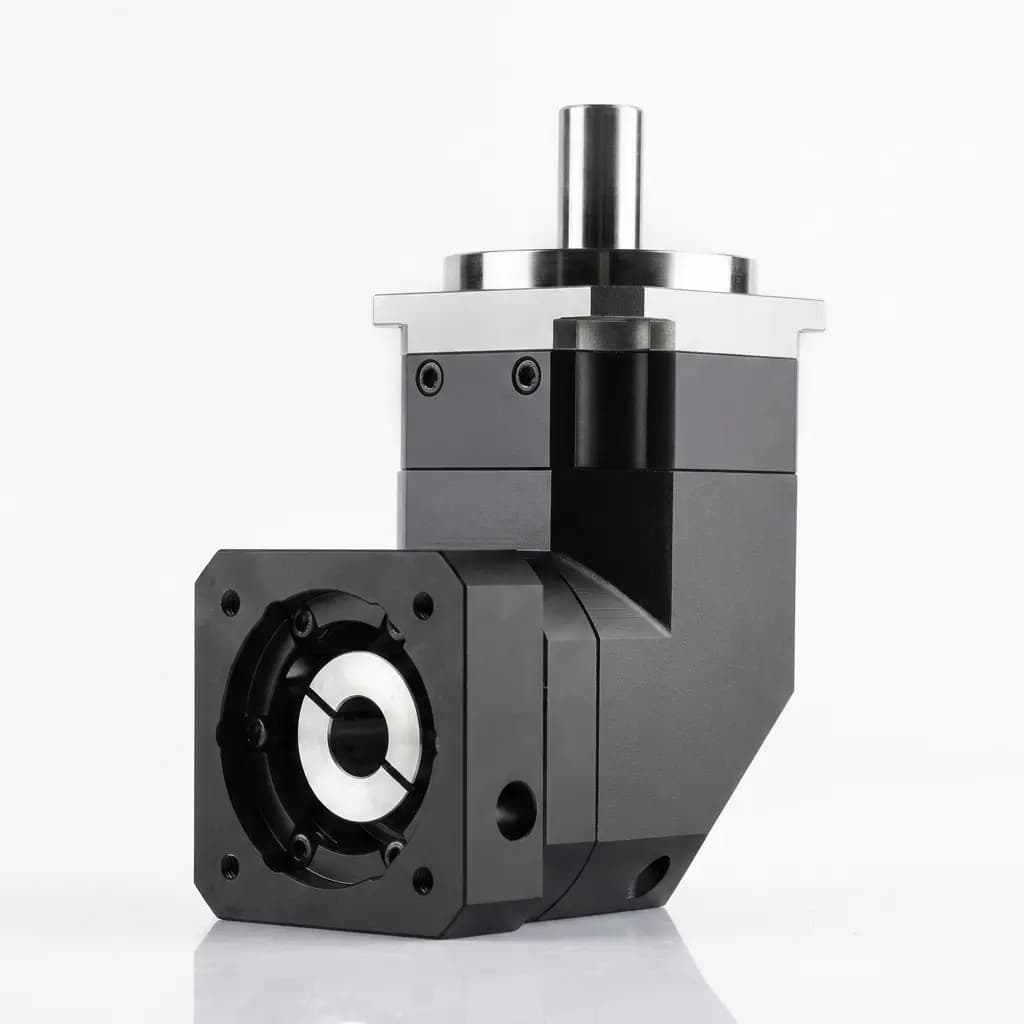
Servo Motor to Gearbox Matching Checklist for OEM Teams
The minimum data package needed to avoid fit and performance mismatch in gearbox selection.

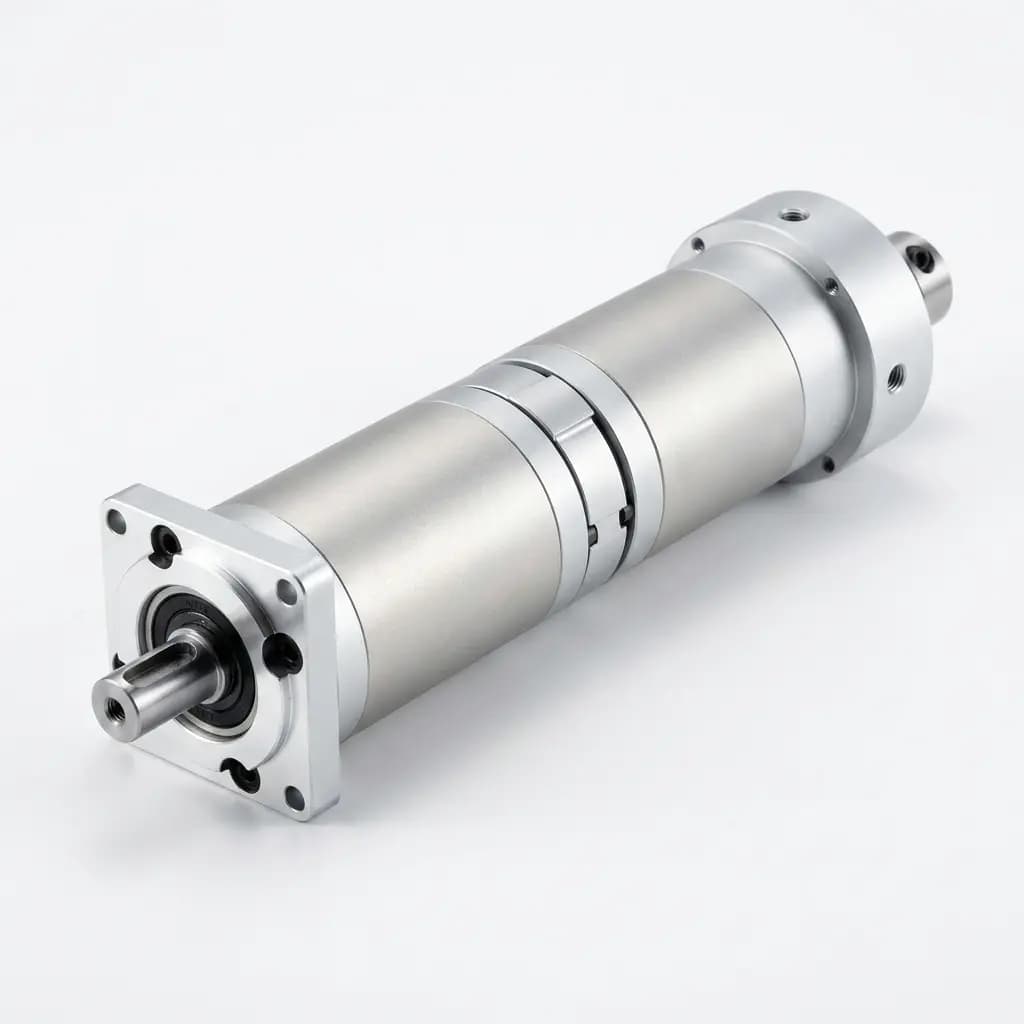
Total Cost of Ownership in Planetary Gearbox Sourcing for OEM Programs
A procurement framework to evaluate gearbox suppliers on lifecycle risk, not only initial unit price.
Right-angle vs Inline Planetary Gearbox: A Selection Guide for Machine Designers
How to choose between right-angle and inline architectures based on layout, stiffness, service access, and risk.